Introduction
Dubbo Regional Council has formally objected to the proposed Boree Solar Project near Geurie, adding the Council’s concerns to the public record as the project moves through the NSW State Significant Development (SSD) assessment process.
Why Did Dubbo Regional Council Object?
In July 2026, Dubbo Regional Council voted to formally oppose the proposed Boree Solar Project. The decision reflects concerns raised about the project’s potential impact on the local community and surrounding rural area.
Watch the Council objection discussion:
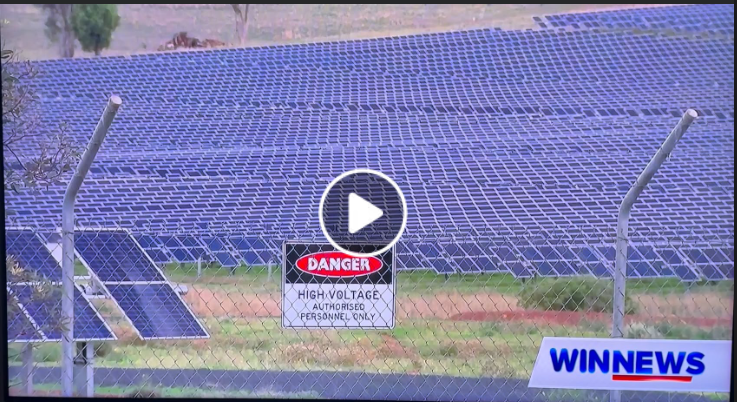
The proposed development would include a 250 MW solar farm and an 800 MWh battery energy storage system across approximately 1,322 hectares of land near Geurie and Wongarbon.
Community concerns include:
- Loss of productive agricultural land
- Potential flooding and drainage impacts
- Effects on wildlife and biodiversity
- Changes to the rural landscape
- Potential impacts on local farms and businesses
- Concerns about community consultation
Council’s decision provides a formal local-government position on these concerns as the State planning process continues.
Can Council Stop the Boree Solar Project?
No. Dubbo Regional Council’s objection does not automatically stop the project. Because the Boree Solar Project is being assessed as a State Significant Development, the final planning decision sits within the NSW State planning process rather than with Council alone.
However, the objection is significant because it formally records Council’s position and communicates its concerns to the relevant decision-makers and project proponents.
What Happens Next?
The Boree Solar Project will continue through the NSW planning assessment process. A key next step will be the release of the Environmental Impact Statement (EIS) for public exhibition.
Once the EIS is exhibited, community members will have an opportunity to review the proposal and make formal submissions about its potential impacts.
For the Geurie community, Dubbo Regional Council’s objection provides another important public record of concerns about how the proposed development could affect agricultural land, the rural landscape and the broader community.
The Council’s objection does not decide the project’s future, but it sends a clear message that local concerns should be carefully considered before any final decision is made.