Introduction
The Boree Solar Project has raised questions from residents about flooding, agricultural land, water, biodiversity, traffic, fire safety, noise, decommissioning and potential impacts on neighbouring properties. Venn Energy says its project team is available to answer questions and that technical specialists can provide information about the project’s assessments.
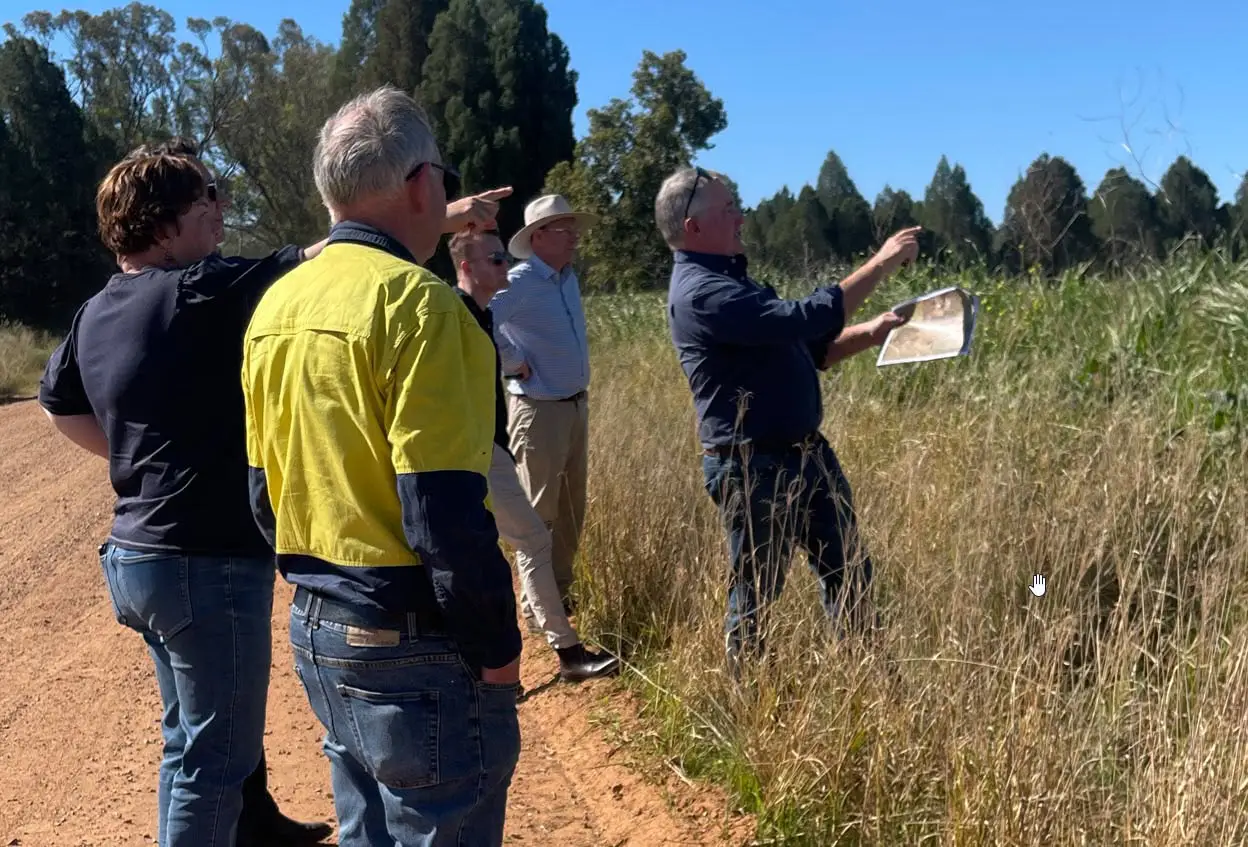
The Stop Venn Energy campaign says many important questions raised during the November 2025 Wongarbon community meeting still need clear answers. These include questions about how the proposed development could interact with local drainage, farmland, wildlife, roads, railway infrastructure and surrounding communities.
As the Environmental Impact Statement (EIS) progresses, residents want to understand what has been investigated, what the technical studies have found, what mitigation measures are proposed, and how community concerns have been addressed.
This article looks at the key questions raised about the Boree Solar Project and why clear information is important as the project moves through the NSW planning and assessment process.
Key Takeaways
- The Boree Solar Project proposes a 250 MW solar farm and 800 MWh battery system across about 1,322 hectares.
- Residents have raised questions about flooding, water, farmland, wildlife, traffic, fire safety and decommissioning.
- Venn Energy says it continues to answer questions and conduct technical studies.
- The Stop Venn Energy campaign says some questions from the November 2025 Wongarbon meeting still need clear answers.
What Is the Boree Solar Project?
The Boree Solar Project is a proposed large-scale solar and battery energy development near Geurie and Wongarbon in NSW. The proposal includes a 250 MW solar farm and an 800 MWh battery energy storage system (BESS) across approximately 1,322 hectares of land.
If approved, the project is expected to operate for around 30 years. It is being assessed through the NSW State Significant Development process, with an Environmental Impact Statement (EIS) being prepared to assess the project’s potential environmental, social, and economic impacts.
The scale of the proposal means its assessment extends beyond the solar panels and battery storage system themselves. Issues such as flooding and drainage, agricultural land, biodiversity, traffic, fire safety, water resources, noise, visual impacts, and decommissioning are also relevant to the community’s questions.
The project is being developed by Venn Energy, which says ongoing technical investigations and community consultation will help inform the EIS and the project’s design.
What Questions Did the Community Raise About Flooding and Water?
Flooding and water management are major community concerns about the Boree Solar Project. Residents want to know how the development could affect existing water flows, surrounding properties and nearby infrastructure.
Key questions include:
- Could the project change flooding around Geurie?
- How will post-development water flows and drainage be managed?
- Will existing contours, drainage lines, and catchment systems be retained?
- How will adjoining and downstream properties be protected?
- What impact could the project have on the Mitchell Highway and railway infrastructure?
- How will springs, bores, and groundwater be protected?
Venn Energy says surface-water and groundwater investigations are being undertaken as part of the EIS process. The community wants the results to clearly explain existing conditions, potential impacts and proposed mitigation measures.
The key question is how the project would manage changes to water flows and protect neighbouring and downstream properties.
What Questions Has the Community Raised About Agricultural Land and Soil?
The proposed use of agricultural land is another major concern surrounding the Boree Solar Project. Residents want to understand how construction could affect soil quality, erosion, drainage and existing agricultural use.
Key questions include:
- What soil testing will be conducted, and where?
- How will erosion and changes to soil condition or pH be managed?
- How will springs, bores and aquifers be protected?
- How will the project’s infrastructure affect productive agricultural land?
The community is seeking clear information about the quality of the land being developed, potential soil and water impacts, and measures proposed to protect surrounding agricultural properties.
These findings should form part of the technical assessments supporting the EIS and help explain how potential impacts would be managed.
What Questions Has the Community Raised About Biodiversity and Wildlife?
Biodiversity and wildlife protection are also important questions raised about the Boree Solar Project. Residents want to understand how the development could affect threatened species, wildlife movement and existing habitat.
Key questions include:
- How will threatened species and wildlife corridors be protected?
- Will ecological investigations consider areas beyond host properties where impacts could occur?
- How could high-security fencing affect wildlife movement?
- How will displaced wildlife be prevented from moving toward major roads?
Venn Energy says biodiversity surveys and ecological investigations are being undertaken as part of the EIS process. The community wants the findings to clearly identify potential impacts and explain what protection and mitigation measures would be implemented.
What Questions Has the Community Raised About Contamination and Pollution?
Residents have also raised questions about the potential for project materials, chemicals or damaged equipment to affect soil and water.
Key questions include:
- How will chemicals and project materials be managed?
- What happens if solar panels or other equipment are damaged during hail, storms or fire?
- How will broken glass and other debris be contained?
- How will dams, creeks, waterways and surrounding soil be protected from potential contamination?
These questions focus on preventing pollution and managing unexpected incidents during construction and operation. The community is seeking clear information about the safeguards, emergency procedures and environmental controls that would apply to the project.
What Questions Has the Community Raised About Aboriginal Cultural Heritage?
The community has also asked how Aboriginal cultural heritage will be identified and protected during the Boree Solar Project.
Key questions include:
- Which Aboriginal groups are being consulted?
- What cultural heritage investigations are being undertaken?
- How will identified Aboriginal cultural heritage sites be protected?
- What procedures will apply if previously unidentified heritage material is discovered?
Clear information about cultural heritage investigations, consultation and protection measures will help the community understand how these considerations are being addressed as the EIS progresses.
What Questions Has the Community Raised About the EIS and Project Design?
The community also wants to know how the EIS findings could influence the Boree Solar Project’s design.
Key questions include:
- Will investigations consider potential impacts beyond the project area where neighbouring properties could be affected?
- What happens if the EIS identifies significant environmental or community impacts?
- Will Venn Energy change the project design if technical studies identify major constraints?
- How will community concerns and technical findings be reflected in the final proposal?
The EIS is intended to provide detailed information about the project’s potential impacts and proposed mitigation. The community wants to see clear evidence of what has been investigated, what has been found and how those findings have influenced the project design.
What Questions Has the Community Raised About Traffic, Roads and Community Safety?
Construction traffic and road safety are another area of concern for residents near the Boree Solar Project. The community wants to understand how construction vehicles and workforce movements could affect local roads and nearby transport infrastructure.
Key questions include:
- What construction traffic volumes are expected?
- Which roads and haulage routes will be used?
- What will be the impact on Mitchell Highway intersections and railway crossings?
- How will rural roads be protected from construction traffic?
- Where will the proposed construction workforce stay, and how will workers be transported?
The community is seeking clear information about traffic volumes, haulage routes, road protections and safety measures before construction begins.
What Questions Has the Community Raised About Noise, Dust and Visual Impacts?
Residents have also raised concerns about how construction and operation could affect local amenity and the rural landscape.
Key questions include:
- How will construction dust, noise and vibration be controlled?
- What measures will manage operational noise?
- How will lighting impacts on nearby properties be reduced?
- What measures will address changes to the rural landscape?
- How will the existing dark night sky be protected?
The community wants the EIS to clearly explain the expected impacts, assessment results and proposed mitigation measures for nearby residents and surrounding properties.
What Questions Has the Community Raised About Fire and Emergency Management?
Fire safety is an important concern because the proposed Boree Solar Project includes an 800 MWh battery energy storage system (BESS). Residents want to understand how neighbouring properties and the wider community would be protected during a fire or other emergency.
Key questions include:
- What happens if a fire starts within the solar farm or BESS?
- How would neighbouring properties and residents be protected?
- What emergency response and evacuation procedures would apply?
- How would local emergency services be involved?
The community is seeking clear information about fire prevention, emergency response, safety measures and protection of nearby properties as part of the project’s assessment.
What Questions Has the Community Raised About Decommissioning and Liability?
The proposed Boree Solar Project is expected to operate for around 30 years, so residents are also asking who will be responsible for the site at the end of its operating life.
Key questions include:
- What financial security will be available for decommissioning?
- Who will pay to remove the project’s infrastructure?
- How will decommissioning obligations remain enforceable if the project is sold?
- Who carries responsibility if the original developer no longer owns or operates the project?
- How will the land be managed or restored after the project ends?
These questions focus on long-term financial responsibility and accountability, particularly if project ownership changes during its operating life.
What Questions Has the Community Raised About Economic and Community Impacts?
Residents are also asking how the Boree Solar Project could affect the local economy and neighbouring landholders.
Key questions include:
- What direct economic benefits will reach Geurie and Wongarbon?
- How much local employment and business spending is expected?
- How will potential financial impacts on neighbouring landholders be addressed?
- What measures will address social and community impacts raised by affected residents?
Venn Energy says the project could create around 250 direct construction jobs and five ongoing operational jobs, along with opportunities for local businesses. The community wants clear information about how these potential benefits compare with the project’s broader impacts on local residents and businesses.
What Questions Has the Community Raised About the Project Supply Chain?
The community has also raised questions about how project components will be sourced and whether appropriate supply-chain checks will be carried out.
One key question is:
- What due diligence will be undertaken to identify and manage potential modern slavery risks in the project’s supply chain?
Large-scale solar and battery projects can involve equipment and components sourced through complex international supply chains. The community is therefore seeking information about the standards, checks and procurement requirements that would apply to suppliers and major project components.
Has Venn Energy Answered the Community’s Questions?
Venn Energy says it is available to meet neighbouring landowners and discuss the Boree Solar Project, technical assessments and questions or concerns. The company also says technical specialists can provide information on more detailed matters.
The Stop Venn Energy campaign says that many questions raised at the November 2025 Wongarbon community meeting still require clear responses.
The key issue for the community is therefore not simply whether meetings are available, but whether residents can access clear information about:
- What has been investigated
- What the technical studies have found
- What potential impacts were identified
- What mitigation measures are proposed
- Which community questions have been resolved
Property-specific matters may be suitable for individual discussions. However, questions about flooding, traffic, biodiversity, fire safety, water, contamination and community safety can affect multiple properties and the wider community.
As the EIS progresses, publishing clear responses to these community-wide questions would help residents understand how their concerns have been considered.
What Happens Next With the Boree Solar Project?
The Boree Solar Project is still going through the NSW State Significant Development assessment process. Technical investigations are being undertaken to inform the Environmental Impact Statement (EIS).
The next key stages include:
- Technical studies — Investigations into issues such as biodiversity, water, traffic, noise, fire and cultural heritage.
- EIS preparation — The findings are brought together to assess the project’s potential impacts and proposed mitigation measures.
- Public exhibition — Once the EIS is formally placed on exhibition, the community can review the documents and make submissions.
- Government assessment — The relevant NSW planning authority will consider the EIS, submissions and other assessment information before making a decision.
Until the EIS is released, some questions remain matters for technical investigation and assessment rather than established impacts.
For the community, the next important step is seeing whether the EIS provides clear evidence about the issues raised and explains how identified impacts would be managed.
Also Read: Boree Solar Project Featured in RMW Magazine: Community Concerns Highlighted
Conclusion
The Boree Solar Project has raised community questions about flooding, farmland, biodiversity, traffic, fire safety, water and decommissioning.
Venn Energy says investigations and consultation are continuing, while Stop Venn Energy says some questions from the November 2025 Wongarbon meeting still need clear answers.
The upcoming EIS should provide technical findings, potential impacts and mitigation measures. Once exhibited, the community can review it and make formal submissions.
Follow Stop Venn Energy on Facebook for updates about community concerns, the Boree Solar Project and the ongoing assessment process: https://www.facebook.com/groups/1181634050354627/permalink/1605677764616918/