Introduction
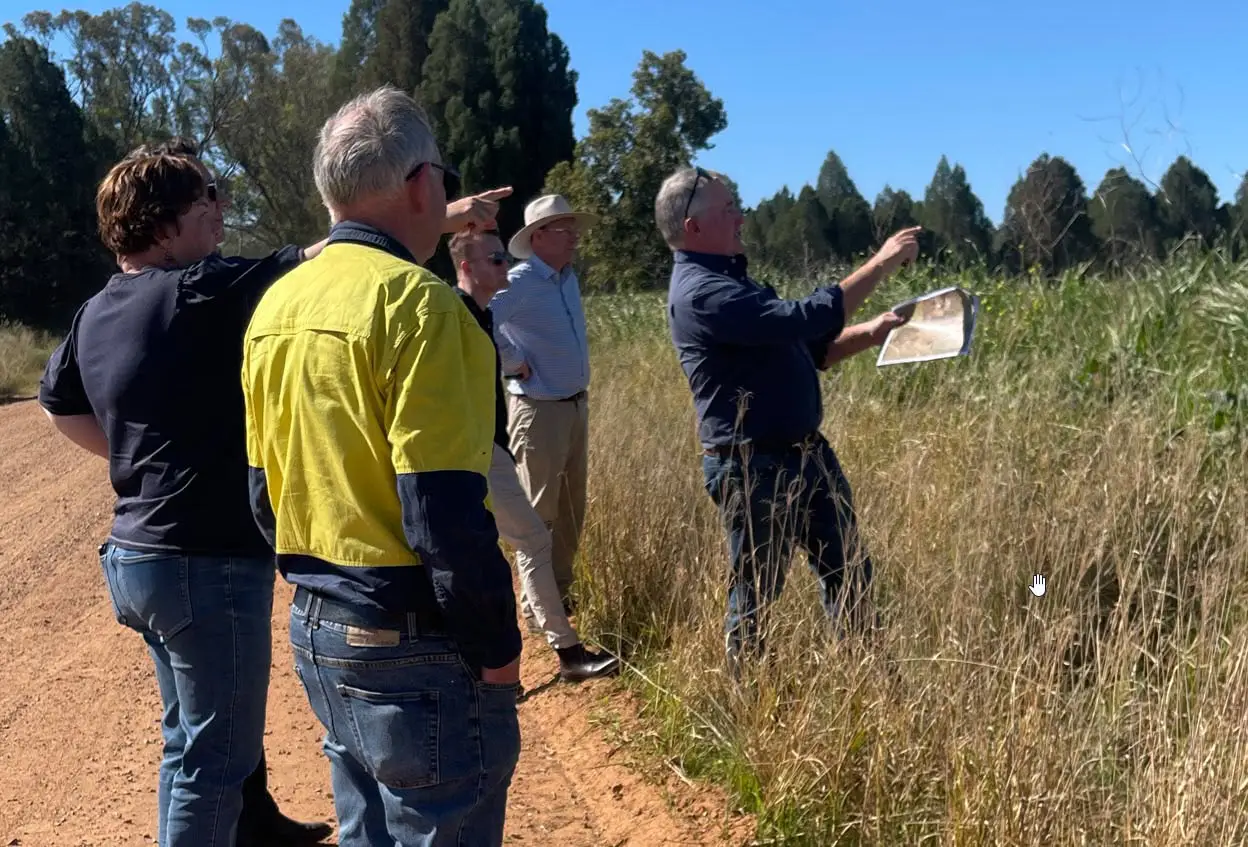
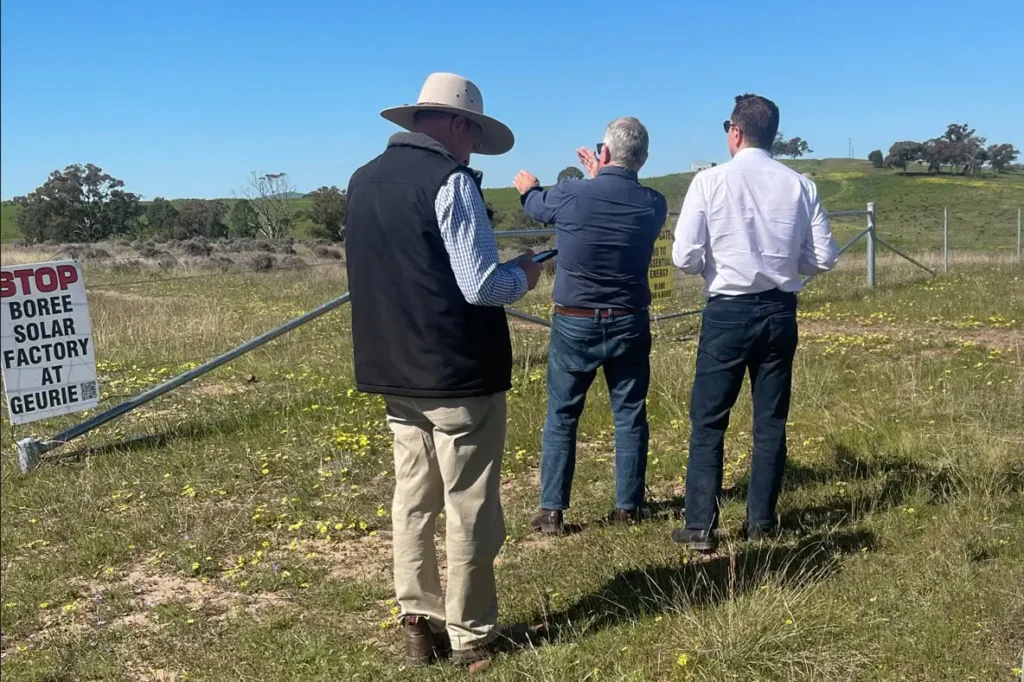
NSW Planning Minister Paul Scully recently visited the Dubbo-Wellington region, including the proposed Boree Solar Project near Geurie, to meet with local landholders, community representatives and councillors.
The visit gave the Stop Boree Solar group an opportunity to raise concerns directly with the Minister about the proposed development and its potential effects on surrounding properties and the wider Geurie community.
The visit was also reported by The Daily Telegraph, which noted that the Minister met with representatives of the Stop Boree Solar and Stop Hampton Park groups, as well as local councillors and landholders.
What Is the Boree Solar Project?
The Boree Solar Project is a proposed large-scale renewable energy development approximately 4 kilometres north of Geurie in the Dubbo Regional Council area.
According to the NSW Planning Portal, the proposal includes:
- 250 MW solar farm
- 200 MW / 800 MWh battery energy storage system
- Approximately 1,322 hectares of project area
- Associated solar, battery, electrical and access infrastructure
- VENN ENERGY PTY LTD as the proponent
The project is being assessed as a State Significant Development under application SSD-90792956.
What Concerns Were Raised During the Visit?
The Stop Boree Solar group used the site visit to highlight several issues that it believes require careful consideration during the planning process.
1):- Agricultural Land
One of the campaign’s main concerns is the proposed use of agricultural land for large-scale solar and battery infrastructure. The community wants the project’s impact on existing farming activities and agricultural land use properly assessed.
2):- Flooding and Drainage
Flooding, drainage and local terrain were also raised. Dubbo Regional Council has previously identified concerns about runoff, local watercourses and potential downstream flooding around Geurie and Wongarbon as matters requiring assessment.
3):- Rural Character and Visual Impact
Residents have also raised concerns about how large-scale infrastructure could change the rural character and landscape around Geurie.
During the visit, Dubbo Mayor Josh Black discussed vegetation buffers around solar developments and how different buffer widths could help screen infrastructure from surrounding properties and roads.
4):- Cumulative Renewable Energy Development
The community also raised concerns about the cumulative effects of multiple renewable energy projects across the region.
These concerns can extend beyond a single development and include potential impacts on agriculture, roads, landscape, biodiversity, emergency planning and community character.
5):- Social and Community Impacts
Local landholders have also expressed concerns about how renewable energy infrastructure could affect homes, farming operations, rural amenity and the broader community.
The Stop Boree Solar campaign has additionally raised concerns about the timing and adequacy of consultation with affected residents.
What Does the Minister’s Visit Mean?
The Minister’s visit does not mean that the Boree Solar Project has been approved or rejected.
The project remains within the NSW State Significant Development planning process. The NSW Planning Portal currently lists Boree Solar at the Prepare EIS stage.
The visit nevertheless provided an opportunity for local landholders and community representatives to explain their concerns directly to the NSW Planning Minister while the project remains under assessment.
What Happens Next?
The next major step is the preparation and exhibition of the project’s Environmental Impact Statement (EIS).
The planning process will generally involve:
- EIS preparation
- Public exhibition
- Community submissions
- Response to submissions
- Government assessment
- Final determination
The EIS will be important because it will provide detailed information about potential impacts, including agriculture, flooding, biodiversity, visual amenity, traffic, bushfire risk, infrastructure and social considerations.
Until the formal assessment and determination are completed, the future of the Boree Solar Project remains subject to the NSW planning process.
Why the Site Visit Matters to the Geurie Community
For the Stop Boree Solar group, the Minister’s visit provided an opportunity to show decision-makers the proposed site and explain concerns from the perspective of people who live and work in the area.
The community’s position is that renewable energy development should be assessed not only in terms of energy generation, but also in relation to where projects are located and how they may affect agricultural land, rural communities and surrounding properties.
As the Boree Solar Project moves toward its EIS stage, local residents will continue to follow the assessment process and the information released through the NSW planning system.
View the full community post: https://www.facebook.com/groups/1181634050354627/permalink/1609666774218017/?rdid=CBr7bzjYLWBFrnPi#
Conclusion
NSW Planning Minister Paul Scully’s visit gave Geurie landholders and the Stop Boree Solar community an opportunity to raise concerns about agricultural land, flooding, rural character, visual impacts, cumulative development and community impacts.
The visit does not determine the project’s outcome. Boree Solar remains at the Prepare EIS stage, with further assessment and public consultation still to come. The community will continue to follow the planning process and seek proper consideration of the project’s potential impacts before a final decision is made.