Introduction
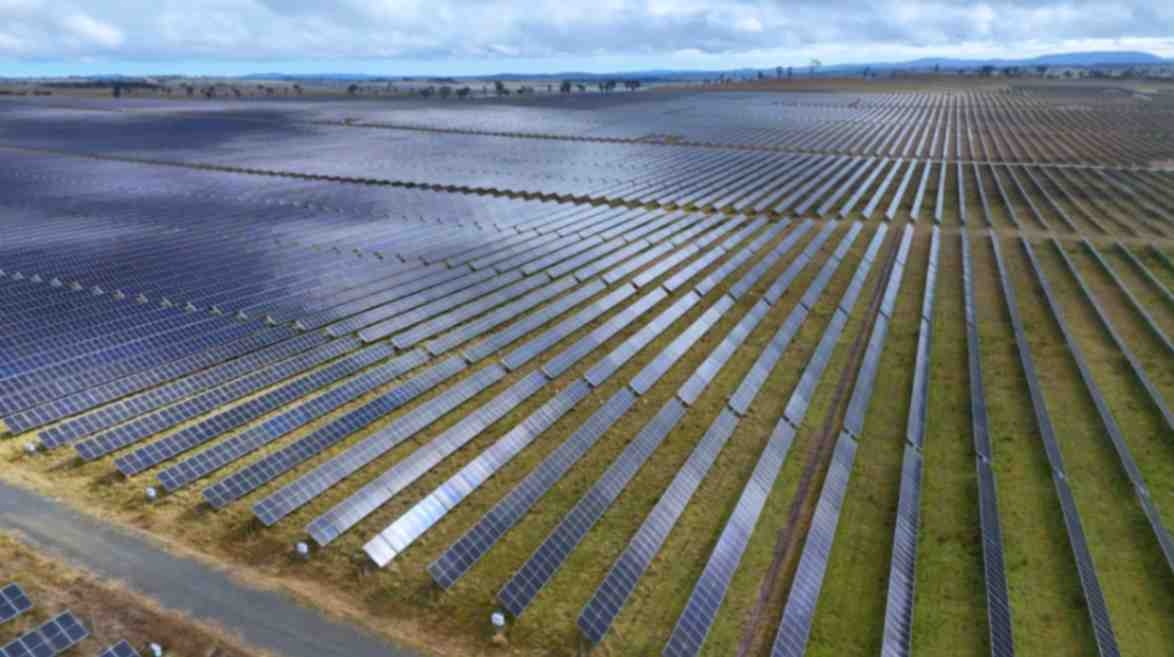
The Boree Solar Project is a proposed renewable energy development north of Geurie and east of Wongarbon in Central-West New South Wales. Developed by Venn Energy, the proposal includes a 250 MW solar farm and an 800 MWh battery energy storage system across approximately 1,322 hectares of land. The project is currently undergoing the NSW government approval process.
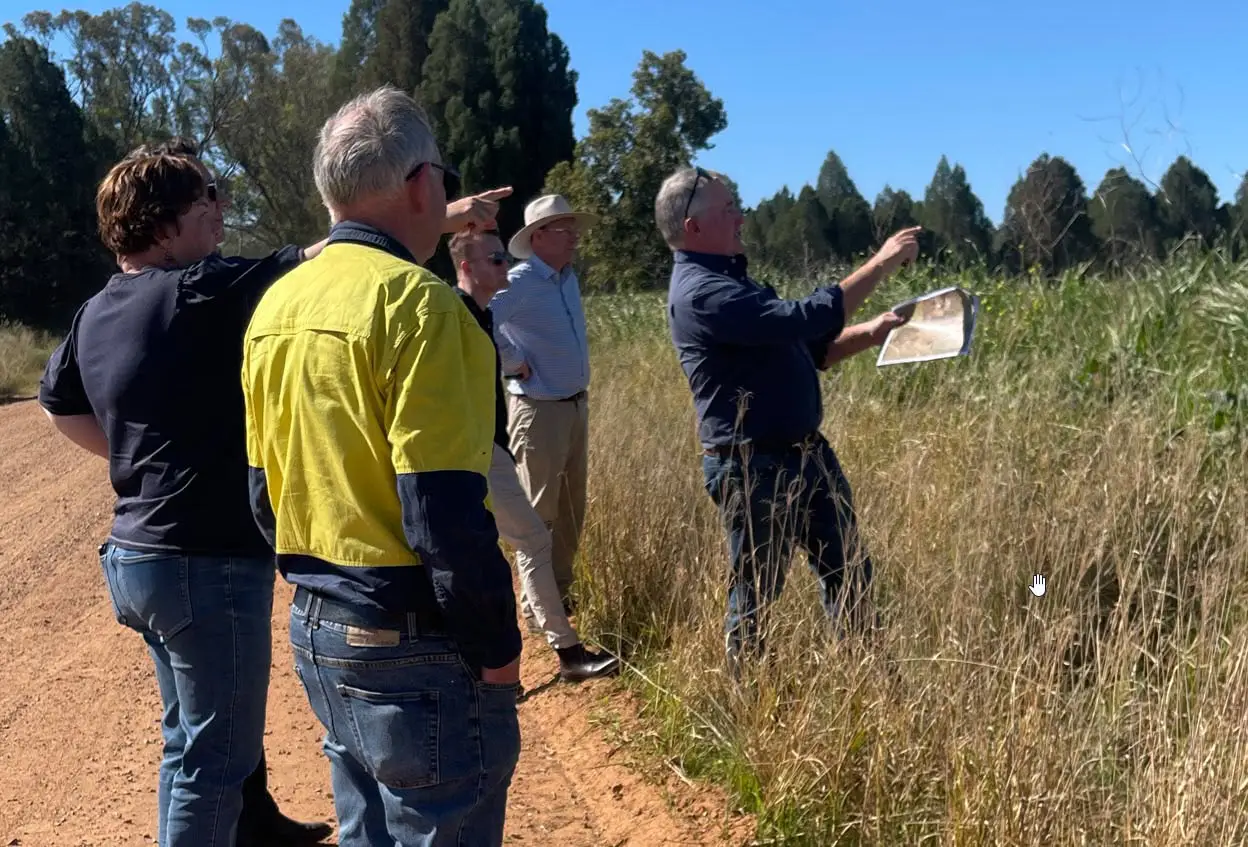
While the project supports Australia’s transition to renewable energy, it has also raised concerns within the local community. According to the Stop Venn Energy campaign, residents have questioned the potential impact on productive farmland, flood risk, wildlife, the rural landscape, and community consultation.
This guide explains the Boree Solar Project, including its location, size, proposed timeline, approval process, and the key concerns raised by local residents.
Key Takeaways
- The Boree Solar Project is proposed near Geurie and Wongarbon, NSW.
- The project includes a 250 MW solar farm and an 800 MWh battery storage system.
- It would cover approximately 1,322 hectares of land.
- If approved, the project is expected to operate for around 30 years.
- The proposal is currently undergoing the NSW government approval process.
What Is the Boree Solar Project?
The Boree Solar Project is a proposed utility-scale renewable energy project designed to generate electricity from solar power and improve grid reliability through battery storage. If approved, it would become one of the larger renewable energy developments in the Dubbo Region of New South Wales.
Overview of the Proposal
The proposal includes solar arrays, battery storage infrastructure, internal access roads, electrical equipment, fencing, and grid connection facilities needed to supply electricity to the network. Before construction can begin, the project must complete the NSW planning and environmental assessment process, including the preparation of an Environmental Impact Statement (EIS).
Who Is Venn Energy?
Venn Energy is a Canadian renewable energy company that develops utility-scale solar and battery storage projects across Australia. The company is responsible for planning and securing approvals before projects are typically transferred to long-term owners and operators.
Where Is the Boree Solar Project Located?
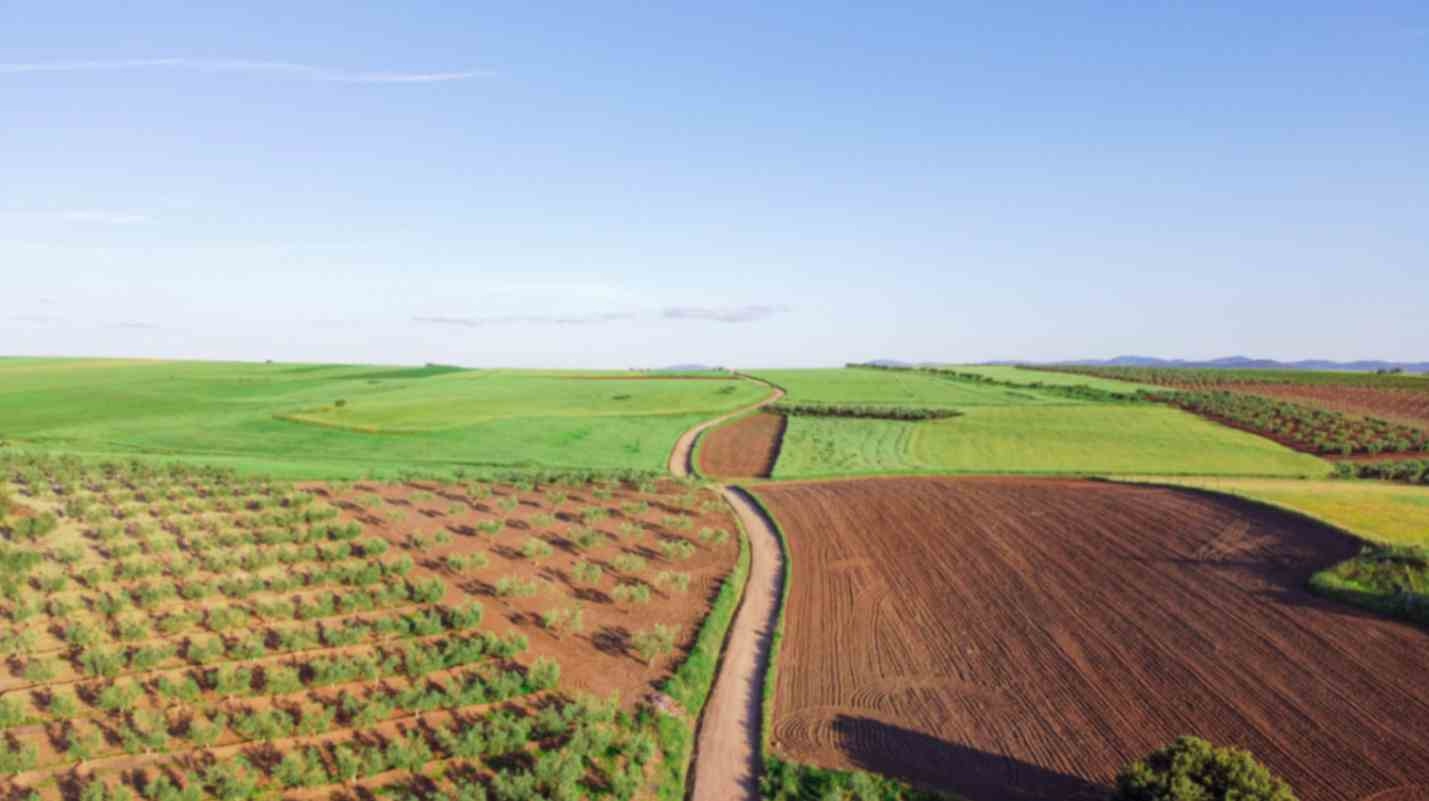
The Boree Solar Project is proposed on privately owned agricultural land north of Geurie and east of Wongarbon in Central-West New South Wales. The proposed site covers approximately 1,322 hectares and is located within the Dubbo Regional Local Government Area, making it an important part of the region’s rural landscape.
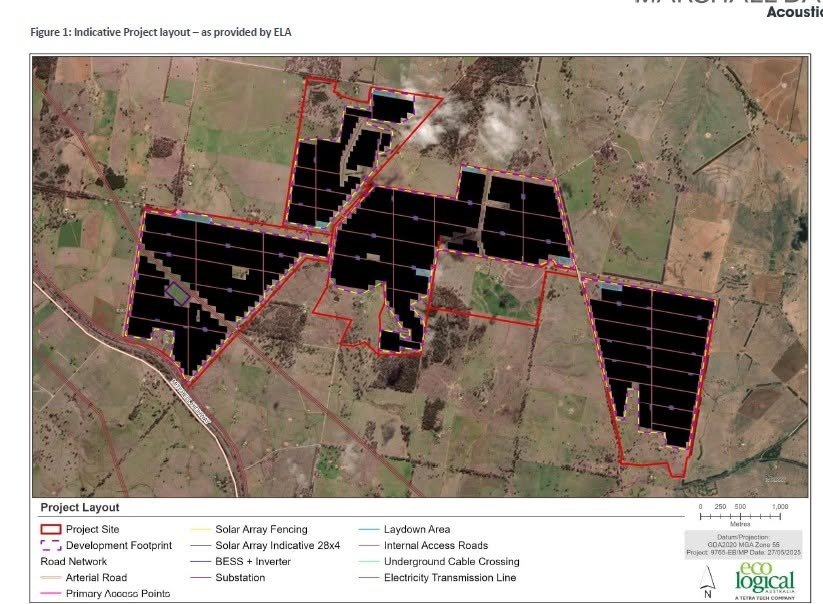
1):- Location Near Geurie and Wongarbon
The proposed project is situated in a predominantly rural area known for its farming activities. Its location places it close to nearby homes, agricultural properties, and local businesses, making it a project of significant interest to the surrounding community.
2):- Why the Location Matters
The location has become a key point of discussion because it combines productive farmland with established rural communities. According to the Stop Venn Energy campaign, many residents believe the project’s location could have long-term implications for agriculture, the local environment, and the character of the surrounding landscape.
3):- Agricultural Importance of the Site
The proposed site is currently used for agricultural production, contributing to the region’s farming economy. Community members have expressed concerns that converting productive farmland into a large-scale Boree Solar Farm could reduce the availability of agricultural land and affect farming operations in the area.
How Big Is the Boree Solar Project?
The Boree Solar Project is planned as a utility-scale renewable energy development in the Dubbo Region of New South Wales. The proposed development spans a large rural site, making it one of the larger renewable energy projects planned for the region.
1):- Land Area and Infrastructure
The project would occupy a large rural site near Geurie and Wongarbon. In addition to solar panels and battery storage, the proposal includes internal access roads, electrical infrastructure, fencing, and grid connection facilities needed to support the operation of the Boree Solar Farm.
2):- Expected Operational Lifespan
If approved, the Boree Solar Project is expected to operate for around 30 years. At the end of its operational life, the site would be managed in accordance with the conditions set out during the planning and approval process, including any approved decommissioning or rehabilitation requirements.
3):- How It Compares with Other Solar Farms
The Boree Solar Farm is classified as a utility-scale renewable energy project. Compared with smaller community or commercial solar installations, it is designed to generate electricity for the broader power grid and includes large-scale battery storage to support energy reliability.
What Is the Timeline for the Boree Solar Project?
The Boree Solar Project is currently progressing through the New South Wales government planning and assessment process. Before any construction can begin, the proposal must undergo environmental assessment, public consultation, and regulatory review.
1):- Current Approval Status
The project has entered the government approval stage, where its potential environmental, social, and economic impacts are being assessed. A final decision will be made only after the required planning and assessment processes have been completed.
2):- Environmental Impact Statement (EIS) Process
As part of the approval process, the project developer is required to prepare an Environmental Impact Statement (EIS). This document assesses the potential effects of the proposed development on the environment, surrounding communities, and local infrastructure, while also outlining proposed mitigation measures where applicable.
Once completed, the EIS will be placed on public exhibition, allowing residents, landowners, and other stakeholders to review the proposal and provide formal submissions.
3):- What Happens After Public Submissions?
After the public exhibition period closes, the NSW Government will review the Environmental Impact Statement alongside community submissions and advice from relevant government agencies. This information will help determine whether the Boree Solar Project is approved, approved with conditions, or refused.
Why Are Local Residents Concerned About the Project?
The proposed Boree Solar Project has generated discussion among local residents, farmers, and business owners. Local residents have raised concerns about the project’s proposed location and its potential impacts on agriculture, the environment, and the surrounding community.
1):- Loss of Productive Agricultural Land
Many residents are concerned that approximately 1,322 hectares of productive farmland could be converted into a large-scale Boree Solar Farm, reducing land available for agriculture.
2):- Flood Risk and Water Management
Some community members have questioned whether the development could affect natural water flow and increase flood risk, calling for thorough environmental assessment.
3):- Environmental Impacts on Wildlife and Habitats
Residents have also raised concerns about possible impacts on native vegetation, wildlife habitats, and local biodiversity.
4):- Visual Impact on the Rural Landscape
The size of the proposed development has led to concerns about changes to the area’s rural character and surrounding landscape.
5):- Economic Effects on Farms, Contractors, and Local Businesses
According to the Stop Venn Energy campaign, some residents believe the project could affect local farms and businesses that depend on the region’s agricultural economy.
What Are the Community’s Concerns About Consultation?
According to the Stop Venn Energy campaign, many residents believe the consultation process should have involved the wider community earlier and provided more opportunities for meaningful feedback.
1):- Land Leases Before Broader Consultation
The campaign states that Venn Energy secured land lease agreements before broader community consultation took place. Some residents believe nearby landowners should have been engaged earlier in the process.
2):- Limited Response Time for Nearby Landowners
Some affected landowners have raised concerns that they had limited time to review the proposal and respond before the project progressed.
3):- Community Engagement Concerns
The campaign also argues that the wider community was not adequately consulted during the early stages of the Boree Solar Project and has called for a more transparent and inclusive engagement process.
How Many People Oppose the Boree Solar Project?
According to the Stop Venn Energy campaign, more than 1,000 local residents have expressed opposition to the proposed Boree Solar Project. The campaign says this reflects concerns from people living and working in the surrounding rural communities.
Community Response
The opposition includes local residents who have participated in community meetings, signed petitions, and voiced concerns about the project’s potential impact during the planning process.
Concerns Raised by Farmers, Landowners, and Businesses
The campaign states that farmers, nearby landowners, and local business owners are among those raising concerns. Their feedback primarily relates to the potential effects on agricultural land, rural livelihoods, and the long-term character of the local area.
Potential Benefits and Community Concerns
Like many large-scale renewable energy developments, the Boree Solar Project has generated both support and community concern. While the project could contribute to clean energy generation and energy storage, local residents have raised questions about its potential impact on agriculture, the environment, and the surrounding community.
| Potential Benefits | Community Concerns |
| Generates renewable electricity through a 250 MW solar farm | Loss of approximately 1,322 hectares of productive agricultural land |
| Includes an 800 MWh Battery Energy Storage System (BESS) to support grid reliability | Concerns about potential flood risk and water management |
| Contributes to Australia’s renewable energy transition | Potential impacts on wildlife, biodiversity, and native habitats |
| May create employment during construction | Visual changes to the rural landscape |
| Strengthens electricity supply through utility-scale infrastructure | Possible economic impacts on local farms, contractors, and agricultural businesses |
The NSW government will assess these potential benefits and concerns as part of the planning and approval process before making a final decision on the project.
What Happens Next?
The Boree Solar Project will continue through the NSW government planning and assessment process before a final decision is made. During this stage, the proposal will be reviewed alongside technical assessments and community feedback.
1):- Review Process
The NSW Government will assess the project’s environmental, social, and economic impacts using the Environmental Impact Statement (EIS), advice from relevant agencies, and other supporting information.
2):- Public Exhibition and EIS Submissions
When the Environmental Impact Statement (EIS) is placed on public exhibition, residents, landowners, businesses, and other stakeholders will have the opportunity to review the proposal and lodge formal submissions.
3):- Final Assessment and Decision
After considering the EIS, public submissions, and agency feedback, the NSW Government will decide whether the Boree Solar Project should be approved, approved with conditions, or refused.
FAQ,s
Q1):- Who is developing the Boree Solar Project?
Ans:- The Boree Solar Project is being developed by Venn Energy, a Canadian company that develops utility-scale solar and battery storage projects across Australia.
Q2):- How long would the Boree Solar Project operate if approved?
Ans:- If approved, the Boree Solar Project is expected to have an operational lifespan of approximately 30 years, subject to project conditions and approval requirements.
Q3):- Why is agricultural land important in this region?
Ans:- Productive agricultural land supports local farming, food production, and the regional economy. Many residents believe this land should remain available for agricultural use.
Q4):- How does the Environmental Impact Statement (EIS) process work?
Ans:- The Environmental Impact Statement (EIS) assesses the project’s potential impacts. It is released for public exhibition, allowing residents and stakeholders to submit feedback before a final decision.
Conclusion
The Boree Solar Project is one of several large-scale renewable energy proposals currently being assessed in New South Wales. As the project progresses through the government approval process, it continues to generate discussion about its potential impact on agriculture, the environment, local communities, and regional development.
Understanding the project’s location, approval process, and the concerns raised by local residents can help community members stay informed and participate in the planning process. The final outcome will depend on the Environmental Impact Statement (EIS), public submissions, and the NSW Government’s overall assessment of the proposal.