Introduction
The Boree Solar Project agricultural land debate centres on a proposed large-scale solar and battery development covering 1,322 hectares (3,266 acres) near Geurie, NSW. The project would span six properties and include around 600,000 solar panels, 150 BESS units, 54 inverters, a 132 kV substation and transmission infrastructure.
The scale and location of the proposal have raised concerns among Stop Venn Energy and local residents. In particular, they are questioning the long-term conversion of rural land and the potential effects on agricultural use, flooding, rural views, local amenity and future land-use opportunities.
For the Geurie community, the issue is therefore not only about the size of the solar development but also how its proposed location could affect existing agricultural land and the surrounding rural area.
What Agricultural Land Would the Boree Solar Project Use?
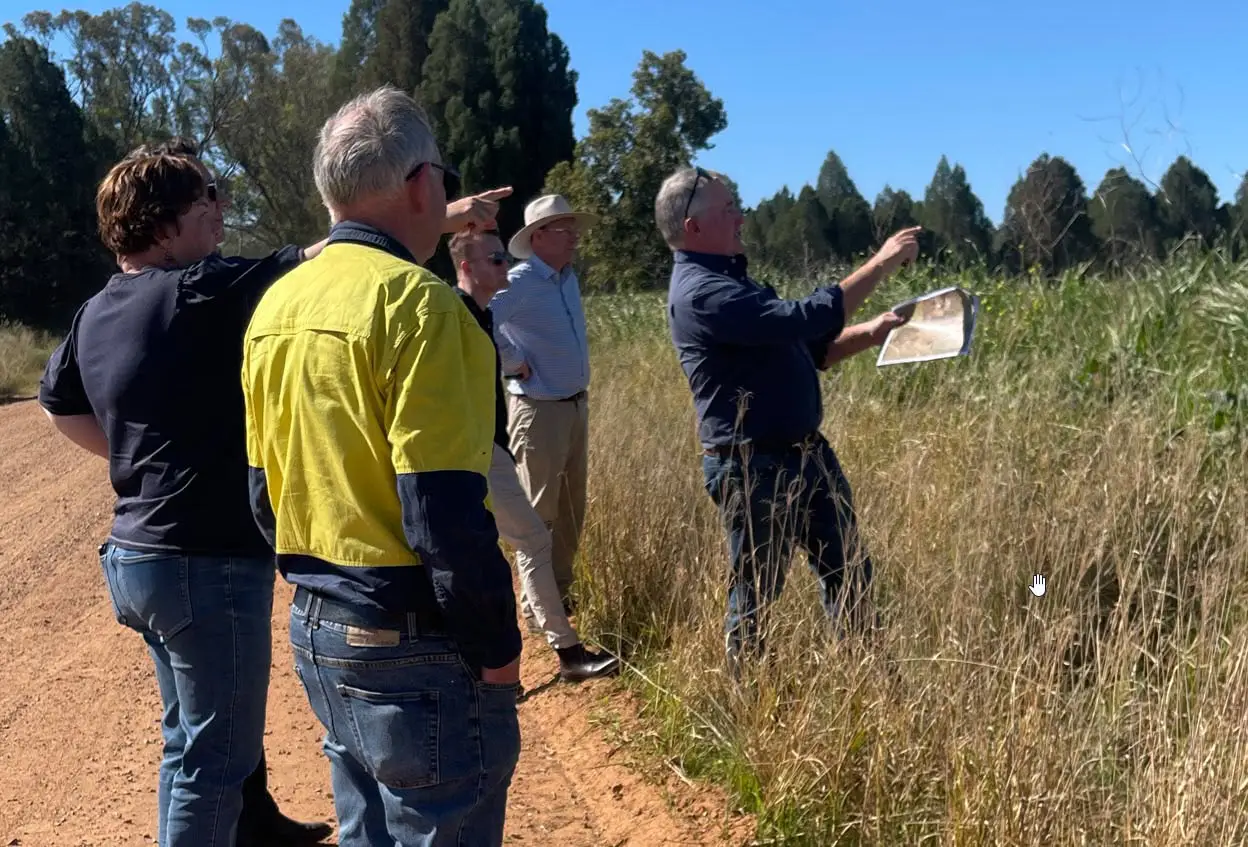
The proposed Boree Solar Project would occupy approximately 1,322 hectares (3,266 acres) across six properties near Geurie. The supplied campaign material states that parts of the development, including solar infrastructure and a 132 kV substation, are proposed on State Significant Agricultural Land.
For local residents, this raises concerns about the long-term use of productive rural land. The proposed development would introduce large-scale solar panels, battery storage and supporting infrastructure into an area currently associated with agricultural activity.
The key concern is whether land with agricultural value should be permanently converted to a different use and how that change could affect farming, surrounding properties and future rural land use.
How Could the Boree Solar Project Affect Agricultural Land?
The proposed development could change how parts of the 1,322-hectare site are used by introducing solar panels, battery storage, access roads, electrical equipment and other infrastructure.
For nearby farmers and landowners, the concern is the long-term loss or change of agricultural use. The project is expected to operate for around 30 years if approved, meaning the land could be committed to renewable energy infrastructure for a significant period.
Stop Venn Energy and local residents are therefore questioning whether this scale of development is appropriate for land with agricultural value, particularly where the proposal includes infrastructure on State Significant Agricultural Land.
Could the Boree Solar Project Affect Flooding and Water Runoff?
Flooding is another concern raised about the proposed Boree Solar Project. Parts of the project are located within the upper catchments of Geurie Creek, Limestone Creek and Deep Creek.
The campaign states that Geurie already experiences flooding and is concerned that changes to the land and drainage patterns could increase surface runoff and downstream flood risk.
The project’s potential impact on stormwater, drainage and flooding would need to be assessed through the relevant technical studies and NSW planning process. For nearby residents, however, the location within these catchments makes flood management and water runoff important considerations.
How Could the Boree Solar Project Affect Rural Views and Amenity?
The proposed Boree Solar Project would be located approximately 3.8 kilometres from Geurie and spread across a large, irregular area around rural properties. The campaign is concerned that the project’s scale and steep, undulating terrain could make parts of the development difficult to screen.
Residents have raised concerns about the potential loss of rural views, landscape character and rural amenity. They also question how the development could affect the future of nearby rural-lifestyle properties and the wider character of the Geurie area.
These visual and amenity impacts will need to be considered as part of the project’s planning and environmental assessment.
How Could the Project Affect the Local Community?
Beyond agricultural land, the proposed Boree Solar Project has raised broader concerns about how a large-scale development could affect the Geurie community.
Stop Venn Energy and local residents have raised concerns about:
- Changes to the rural character of the area
- Impacts on nearby homes and properties
- Future rural-lifestyle development
- Potential effects on local farms, businesses and agricultural services
- The adequacy of community consultation before the project progressed
The campaign also states that more than 1,000 local residents have expressed opposition to the proposal. These concerns form part of the wider community debate about whether the project’s scale and location are appropriate for the area.
Read Community Post: https://www.facebook.com/groups/1181634050354627/permalink/1598659391985422/
What Happens Next in the Boree Solar Project Approval Process?
The Boree Solar Project must go through the NSW government approval process before construction can begin. A key stage is the release of the project’s Environmental Impact Statement (EIS) for public exhibition.
The EIS is expected to provide detailed information about potential impacts, including:
- Agricultural land use
- Flooding and drainage
- Biodiversity and wildlife
- Visual and landscape impacts
- Traffic and infrastructure
- Effects on nearby communities
Once the EIS is publicly exhibited, community members will have an opportunity to review the proposal and make formal submissions or objections. The feedback received will form part of the broader assessment before a final decision is made.
Also Read: NSW Planning Laws Changed in 2026: What Communities Need
Conclusion
The proposed Boree Solar Project would transform approximately 1,322 hectares of rural land near Geurie into a large-scale solar and battery development. Its proposed use of agricultural land, along with concerns about flooding, visual impacts, rural amenity and future land use, has led to opposition from Stop Venn Energy and local residents.
With the project still subject to the NSW approval process, the Environmental Impact Statement and public consultation will be important stages for assessing these concerns. The final decision will determine whether the proposed development can proceed and under what conditions.