Introduction
The discussion around Agricultural Land vs Solar Farms has become increasingly important as Australia expands renewable energy projects while also protecting valuable farming regions. One proposal that has sparked local debate is the Boree Solar Project, which would be developed across approximately 1,322 hectares of productive farmland near Geurie and Wongarbon in New South Wales.
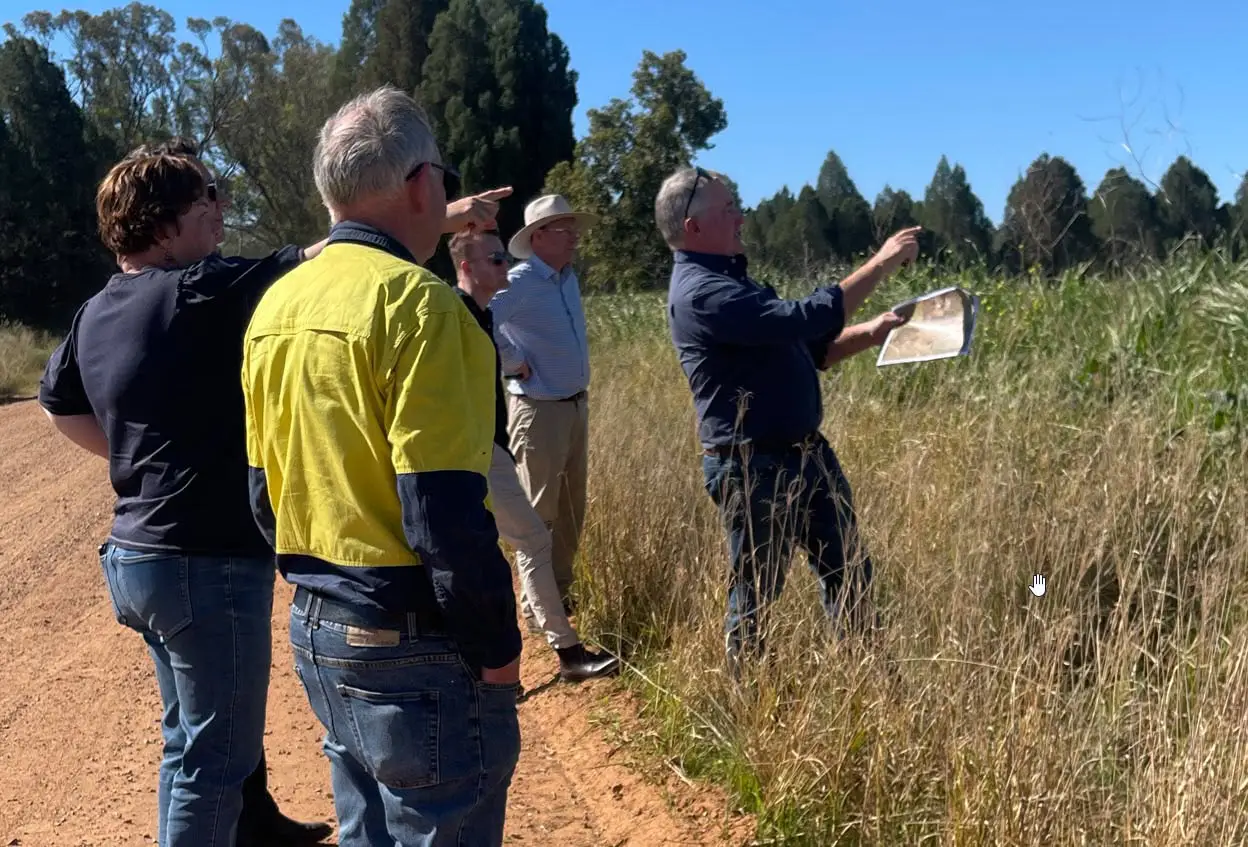
Many local residents, farmers, and business owners have raised concerns about whether this location is suitable for a large-scale solar and battery development. Their concerns include the potential loss of productive agricultural land, impacts on flooding, biodiversity, the rural landscape, and the local economy.
In this blog, we explore why the proposed location has become a key issue and the concerns that have shaped the Stop Venn Energy campaign.
Why Is the Boree Solar Project Location Being Opposed?
The proposed Boree Solar Project location is being opposed because it would be developed on approximately 1,322 hectares of productive agricultural land near Geurie and Wongarbon. Many local residents believe this farmland plays an important role in supporting agriculture, local businesses, and the region’s rural economy.
Community members have also raised concerns about the project’s potential impact on flood risk, biodiversity, the rural landscape, and nearby properties. According to the Stop Venn Energy campaign, these issues should be carefully considered as part of the government’s planning and approval process.
While the project is still undergoing assessment, the proposed location has become the central focus of public discussion, with more than 1,000 residents expressing concerns and calling for greater scrutiny before any final decision is made.
Boree Solar Project at a Glance
Understanding the scale and scope of the proposed Boree Solar Project helps explain why its location has become a key issue for many local residents. The project combines a large-scale solar farm with battery storage and is currently progressing through the New South Wales planning and approval process.
Key Project Facts:-
| Project Detail | Information |
| Project Name | Boree Solar Project |
| Location | Near Geurie and Wongarbon, NSW |
| Proposed Solar Capacity | 250 MW solar farm |
| Battery Storage | 800 MWh Battery Energy Storage System (BESS) |
| Project Area | Approximately 1,322 hectares |
| Proposed Operational Life | Around 30 years |
| Current Status | Undergoing the government approval process |
| Environmental Assessment | Environmental Impact Statement (EIS) to be released for public exhibition before a final decision |
Why Is Agricultural Land Important to the Local Community?
Agricultural land is a vital part of the Geurie and Wongarbon region. It supports local farming, provides employment, and contributes to the rural economy. For many families, farming is not only a source of income but also a long-term way of life passed down through generations.
1):- Productive Farmland Supports Regional Agriculture
Productive farmland is used to grow crops and support agricultural activities that contribute to regional food production. Protecting this land helps maintain the area’s farming industry and long-term agricultural output.
2):- Agriculture Contributes to Local Businesses and Employment
Farming supports more than just landowners. Local contractors, transport operators, machinery suppliers, and agricultural service providers also rely on a strong farming sector, making agriculture an important part of the local economy.
3):- Why Farmers Want to Protect High-Quality Farmland
Many farmers believe productive farmland should be preserved for future generations. As demand for agricultural land continues, decisions about changing land use can have long-term impacts on farming communities and regional development.
Why Has the Proposed Location Raised Community Concerns?
Many local residents believe the proposed location for the Boree Solar Project could have long-term impacts on the surrounding area. Their concerns extend beyond the solar infrastructure itself and focus on how the development may affect farmland, the environment, and the local community.
1):- Loss of Productive Agricultural Land
One of the main concerns is that the project would convert approximately 1,322 hectares of productive farmland into a large-scale solar and battery facility. Residents believe this could reduce land available for agricultural use over the project’s proposed 30-year lifespan.
2):- Concerns About Flood Risk
Some community members have questioned how the project could affect natural water flow and drainage during heavy rainfall. They have called for detailed assessments to better understand any potential flood-related impacts before a final decision is made.
3):- Potential Environmental and Wildlife Impacts
Residents have also raised concerns about the potential impact on native vegetation, wildlife, and local habitats. They believe these environmental factors should be carefully considered during the assessment process.
4):- Changes to the Rural Landscape
The scale of the proposed solar farm and battery storage system could significantly change the appearance of the surrounding rural landscape. Nearby landowners have expressed concerns about how this may affect the character of the area.
5):- Potential Economic Effects on Farms and Local Businesses
Many residents are also concerned about the possible impact on farms, agricultural contractors, and businesses that depend on the local farming industry. They believe changes in land use could have broader economic effects on the community over time.
6):- Community Feedback on the Boree Solar Project
The proposed Boree Solar Project has generated significant community interest, with many local residents sharing their views during the planning process. Farmers, nearby landowners, and business owners have raised questions about how the project could affect the region if approved.
7):- Concerns Raised by Local Residents
More than 1,000 local residents have expressed concerns about the proposed development. Common issues include the loss of productive farmland, potential environmental impacts, changes to the rural landscape, and possible effects on the local economy.
8):- Questions About Community Consultation
Some residents have also raised concerns about the consultation process. According to the Stop Venn Energy campaign, land leases were secured before broader community engagement took place, and some affected landowners were given limited time to respond.
9):- Why Some Residents Are Calling for Greater Scrutiny
Many community members believe the project should undergo a thorough assessment before any final decision is made. They are calling for careful consideration of the Environmental Impact Statement (EIS), community feedback, and the potential long-term impacts on the region.
Agricultural Land vs Solar Farms: Why Location Matters
The Agricultural Land vs Solar Farms debate highlights the importance of balancing renewable energy development with the protection of productive farmland. The table below compares the two land uses.
| Agricultural Land | Solar Farm Development |
| Supports crop production and farming activities. | Generates renewable electricity for homes and businesses. |
| Contributes to local food production and the rural economy. | Helps increase clean energy capacity and reduce reliance on fossil fuels. |
| Provides long-term employment across farming and related industries. | Creates construction and operational jobs during the project lifecycle. |
| Preserves productive farmland for future agricultural use. | Requires suitable land with access to sunlight and infrastructure. |
| Supports local agricultural businesses and services. | Requires careful planning to minimise impacts on nearby communities and the environment. |
For the Boree Solar Project, many local residents believe the proposed location should be carefully assessed because it includes productive farmland. They argue that selecting an appropriate site is an important part of the planning process.
What Happens Next for the Boree Solar Project?
The Boree Solar Project is currently progressing through the New South Wales government approval process. Before any final decision is made, the proposal must complete several assessment stages that allow both government agencies and the community to review the project.
Environmental Impact Statement (EIS)
The project developer will prepare an Environmental Impact Statement (EIS) outlining the potential environmental, social, and economic impacts of the proposed development, along with any proposed mitigation measures.
Public Exhibition and Community Feedback
Once the EIS is released, it will be placed on public exhibition. During this period, residents, landowners, community groups, and other stakeholders can review the documents and submit formal feedback or objections.
Government Assessment and Final Decision
After the exhibition period closes, the NSW Government will consider the EIS, public submissions, and advice from relevant agencies before making a final planning decision on whether the Boree Solar Project should be approved, modified, or refused.
Also Read: How to Write an Effective EIS Submission Opposing the Boree Solar Project
Conclusion
The Agricultural Land vs Solar Farms discussion surrounding the Boree Solar Project highlights the importance of balancing renewable energy development with the protection of productive farmland and rural communities. While the project remains under assessment, many local residents believe the proposed location deserves careful consideration because of its potential impact on agriculture, the environment, and the local economy.
As the approval process continues, the Environmental Impact Statement and public submissions will play an important role in helping decision-makers assess the project’s potential benefits and impacts before a final decision is made.