Introduction
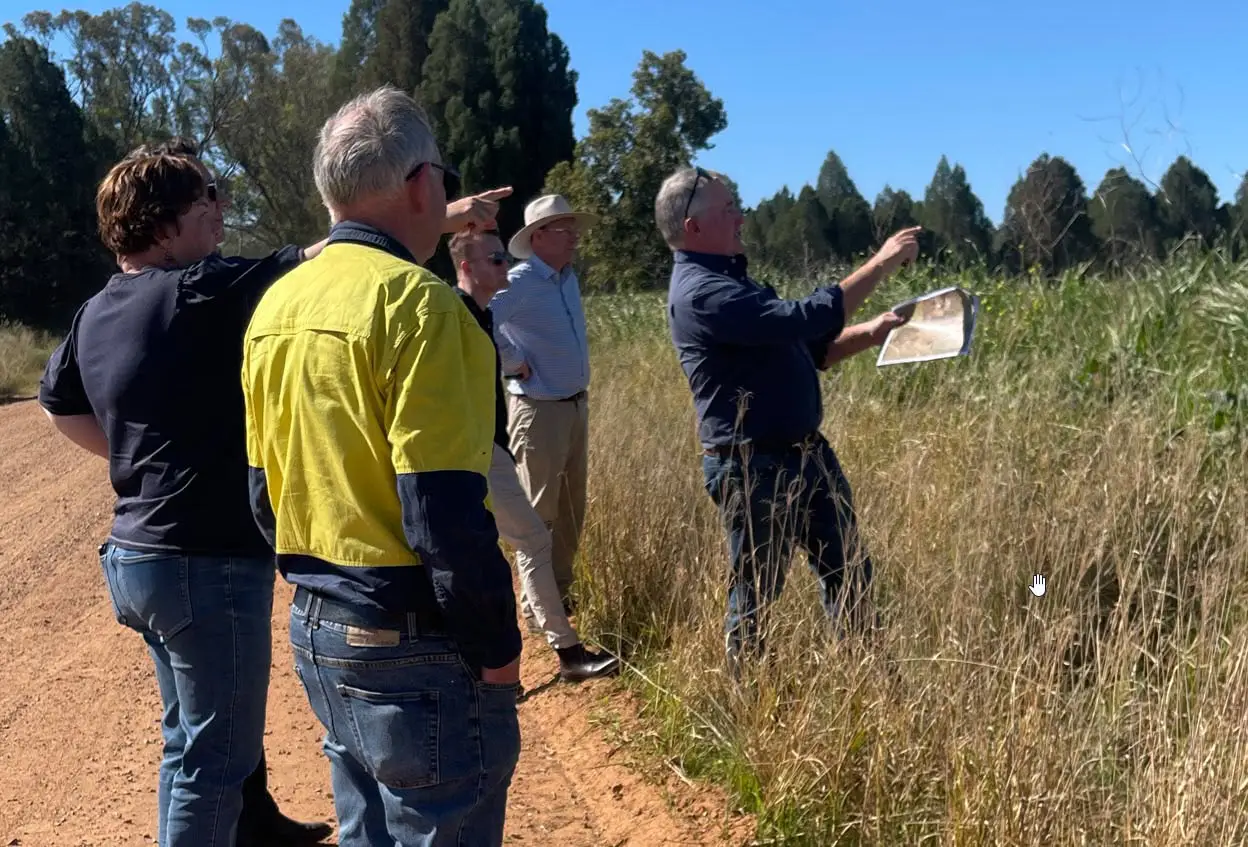
Many local residents are opposing the Boree Solar Project because they believe the proposed location may not be suitable for a large-scale solar and battery development. The Stop Venn Energy campaign has raised concerns about potential impacts on productive farmland, the environment, local communities, and the rural landscape.
The proposed project near Geurie and Wongarbon has led to concerns about agricultural land use, flood risks, biodiversity, visual impacts, and community consultation.
This blog explains why residents are opposing the Boree Solar Project and the key issues being considered during the NSW planning and approval process.
Key Takeaways
- The campaign has raised concerns about the proposed location and potential impacts of the Boree Solar Project.
- Key concerns include farmland loss, flood risk, environmental impacts, and visual changes.
- The project is still undergoing the NSW planning and approval process.
- Residents can provide feedback during the EIS public exhibition period.
Understanding the Stop Venn Energy Campaign
The Stop Venn Energy campaign was created by local residents who have raised concerns about the proposed Boree Solar Project near Geurie. Its aim is to provide information, encourage community participation, and ensure local voices are considered throughout the planning process.
Why the Campaign Was Created
The campaign was formed in response to concerns about the project’s proposed location and its potential impacts on productive farmland, the environment, rural landscape, and the wider local community.
The campaign focuses on ensuring that major developments are carefully assessed, with proper consideration given to agricultural land use, environmental factors, community feedback, and long-term regional impacts.
Why Are Residents Opposing the Boree Solar Project?
Many residents in the Geurie area have raised concerns about the proposed Boree Solar Project. These concerns are based on potential impacts on farmland, the environment, and the local community. The following sections outline the main issues that have been raised during the planning process.
1):- Loss of Productive Agricultural Land
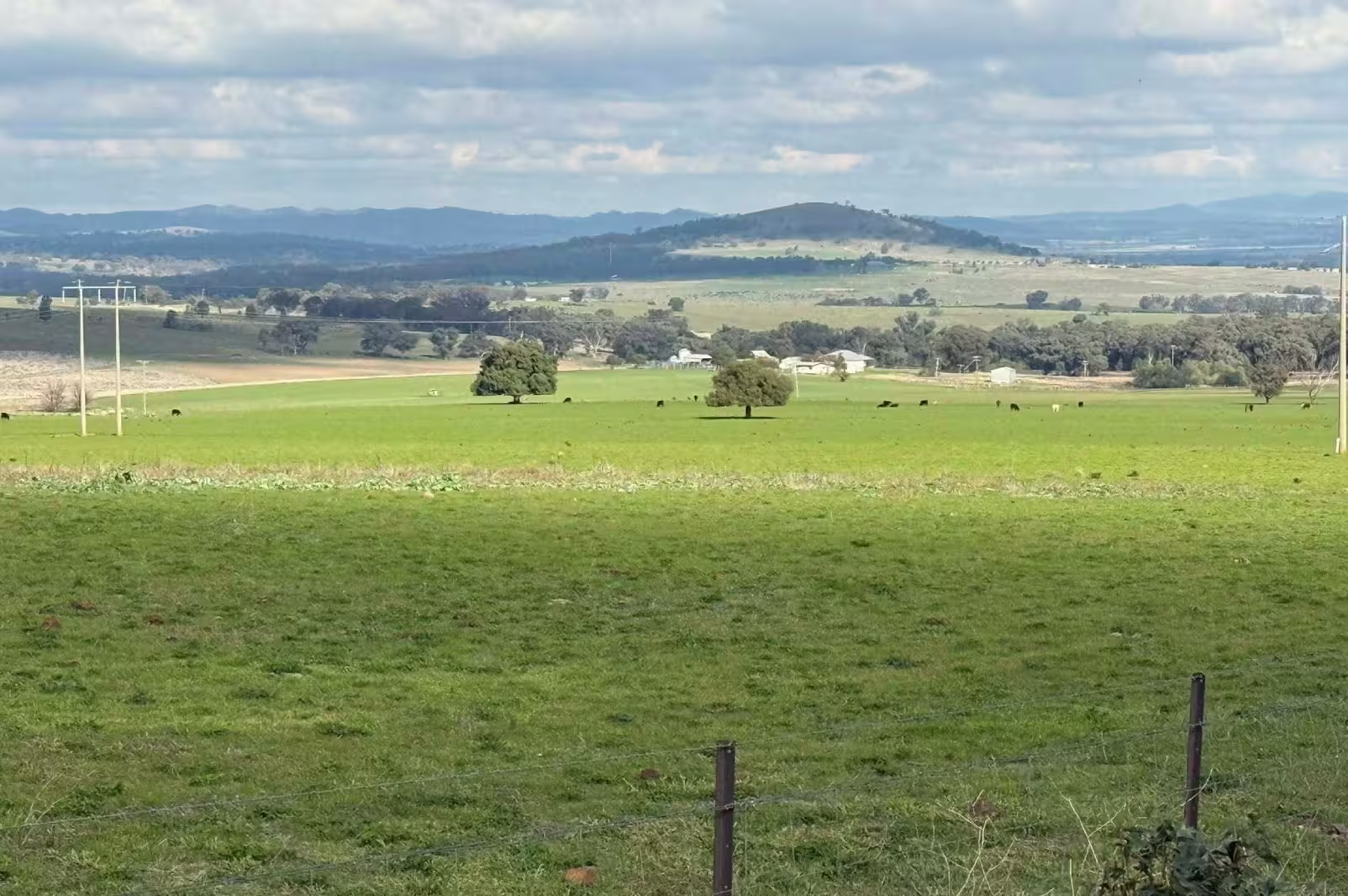
One of the main concerns is the use of approximately 1,322 hectares of productive farmland for a large-scale solar development. Residents have raised questions about the long-term impact on agricultural land use in the region.
2):- Concerns About Flood Risk
Some community feedback has highlighted concerns about how large-scale land development could affect natural water flow and drainage patterns, particularly during heavy rainfall events.
3):- Environmental and Biodiversity Concerns
Residents have also raised concerns about potential impacts on local wildlife, native vegetation, and surrounding ecosystems. These concerns are typically addressed through environmental assessments during the approval process.
4):- Visual Impact on the Rural Landscape
The scale of the proposed development has led to concerns about changes to the rural character and visual appearance of the landscape around Geurie and Wongarbon.
5):- Potential Economic Impact
Some local residents and businesses have expressed concerns about possible impacts on farming activity, agricultural services, and local contractors that rely on the region’s farming economy.
6):- Community Consultation Concerns
There have also been concerns raised about the timing and extent of community consultation during the early stages of the project, particularly in relation to land agreements and broader community engagement.
What Is the Boree Solar Project Approval Process?
The Boree Solar Project must go through a formal NSW planning and environmental assessment process before any decision is made. This process is designed to evaluate the potential impacts of the proposal and consider feedback from both experts and the community.
1):- SEARs
The process begins with SEARs (Secretary’s Environmental Assessment Requirements), which set out the studies and reports the developer must complete for the project.
2):- Environmental Impact Statement (EIS)
The Environmental Impact Statement (EIS) provides detailed assessments of environmental, social, and economic impacts. It forms a key part of the approval documentation.
3):- Public Exhibition
Once completed, the EIS is placed on public exhibition, allowing the community and stakeholders to review the proposal and submit feedback or objections.
4):- Community Submissions
All submissions received during the exhibition period are collected and reviewed by planning authorities as part of the assessment process.
5):- Government Decision
After reviewing all reports and feedback, the NSW Government makes a final decision on whether the project can proceed, be modified, or be refused.
What Does the Community Want Instead?
The community’s concerns are focused on how and where large-scale developments are planned and the potential effects they may have on regional communities. Many residents are calling for a more considered approach that protects agricultural land, addresses environmental risks, and ensures meaningful community involvement.
1):- Appropriate Project Locations
Community members believe large-scale solar projects should be located in areas that avoid high-quality agricultural land and minimise disruption to existing farming activities.
2):- Protection of Productive Farmland
There is strong support for protecting productive farmland to ensure long-term food production and the sustainability of local farming industries.
3):- Transparent Consultation
Residents are seeking clearer and more meaningful consultation processes, ensuring that local communities are informed and involved early in project planning.
4):- Thorough Environmental Assessment
There is also support for detailed environmental studies that fully assess impacts on biodiversity, water systems, and surrounding ecosystems.
5):- Responsible Regional Planning
Overall, the community is calling for a careful approach to regional development that considers agricultural land protection, environmental impacts, local concerns, and the long-term interests of the area.
How Can Residents Get Involved?
Community participation is an important part of the planning process for the Boree Solar Project. Residents have several opportunities to stay informed and share their views.
1):- Stay Informed
Residents can follow project updates, review official planning documents, and stay aware of key milestones in the approval process.
2):- Review the EIS
When the Environmental Impact Statement (EIS) is released, it will provide detailed information about the project’s potential impacts. Community members are encouraged to read and understand the findings.
3):- Submit Feedback During Public Exhibition
During the public exhibition period, residents can submit formal feedback or objections to the planning authorities. These submissions become part of the official assessment process.
4):- Join Community Discussions
Local meetings and community discussions provide an opportunity for residents to share concerns, ask questions, and stay connected with others in the area.
Frequently Asked Questions
Q1):- Why are people opposing the Boree Solar Project?
Ans:- People are opposing the Boree Solar Project due to concerns about farmland loss, environmental impacts, flood risk, visual changes, and community consultation.
Q2):- Can residents object to the Boree Solar Project?
Ans:- Yes. Residents can submit formal objections during the public exhibition period of the Environmental Impact Statement (EIS).
Q3):- What happens after the EIS is released?
Ans:- After the EIS is released, it is reviewed by the public and assessed by the NSW Government before a final planning decision is made.
Q4):- What issues can residents raise in their submission?
Ans: Residents can raise concerns related to agricultural land, biodiversity, flooding, traffic, noise, visual impacts, battery safety, and community consultation.
Conclusion
The Boree Solar Project has raised concerns among the Geurie community, particularly regarding farmland use, environmental impacts, visual changes, and the consultation process. Residents opposing the project are focused on the potential effects of its proposed location and the importance of careful planning and assessment.
As the project continues through the NSW approval process, community feedback, technical assessments, and government review will play an important role in determining its outcome. Understanding the concerns raised by local residents provides important context around regional development, land use, and the future of the Boree Solar Project.